

Experimental Workflow — Render, Texture, Motion
An experimental workflow exploring how AI can take a 3D render from still image to motion. A neutral clay render was textured with FLUX and then animated with an AI-generated camera move, keeping its original geometry and composition.
- Year
- 2026
- Project Type
- Personal Project
RenderTextureMotionExperimental Workflow
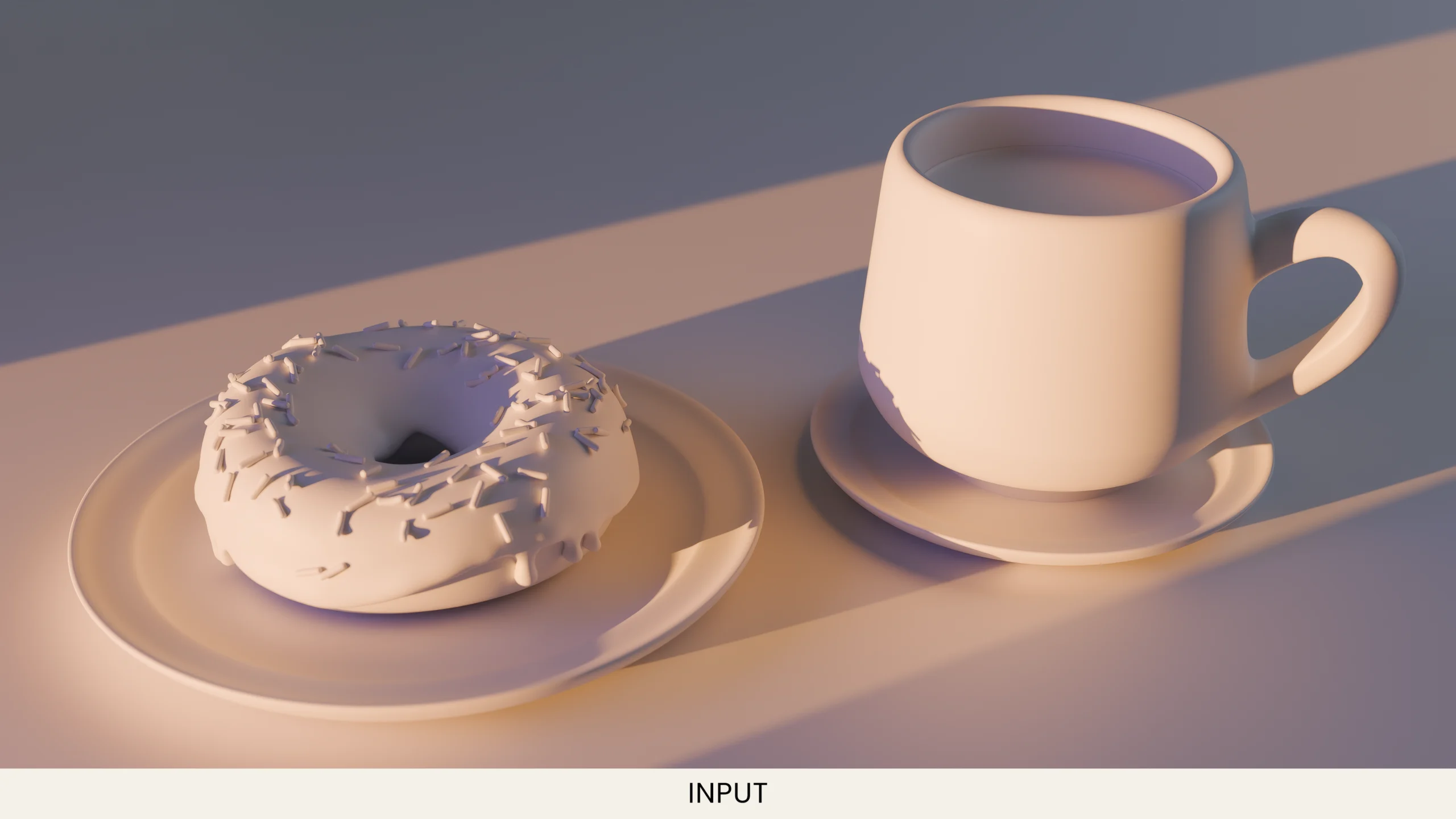
Input image
The project started from an untextured Blender Cycles render. Keeping the scene in a neutral, clay-like state made it possible to test how AI interprets and generates materials, surface detail and lighting on top of a fixed geometry and composition.
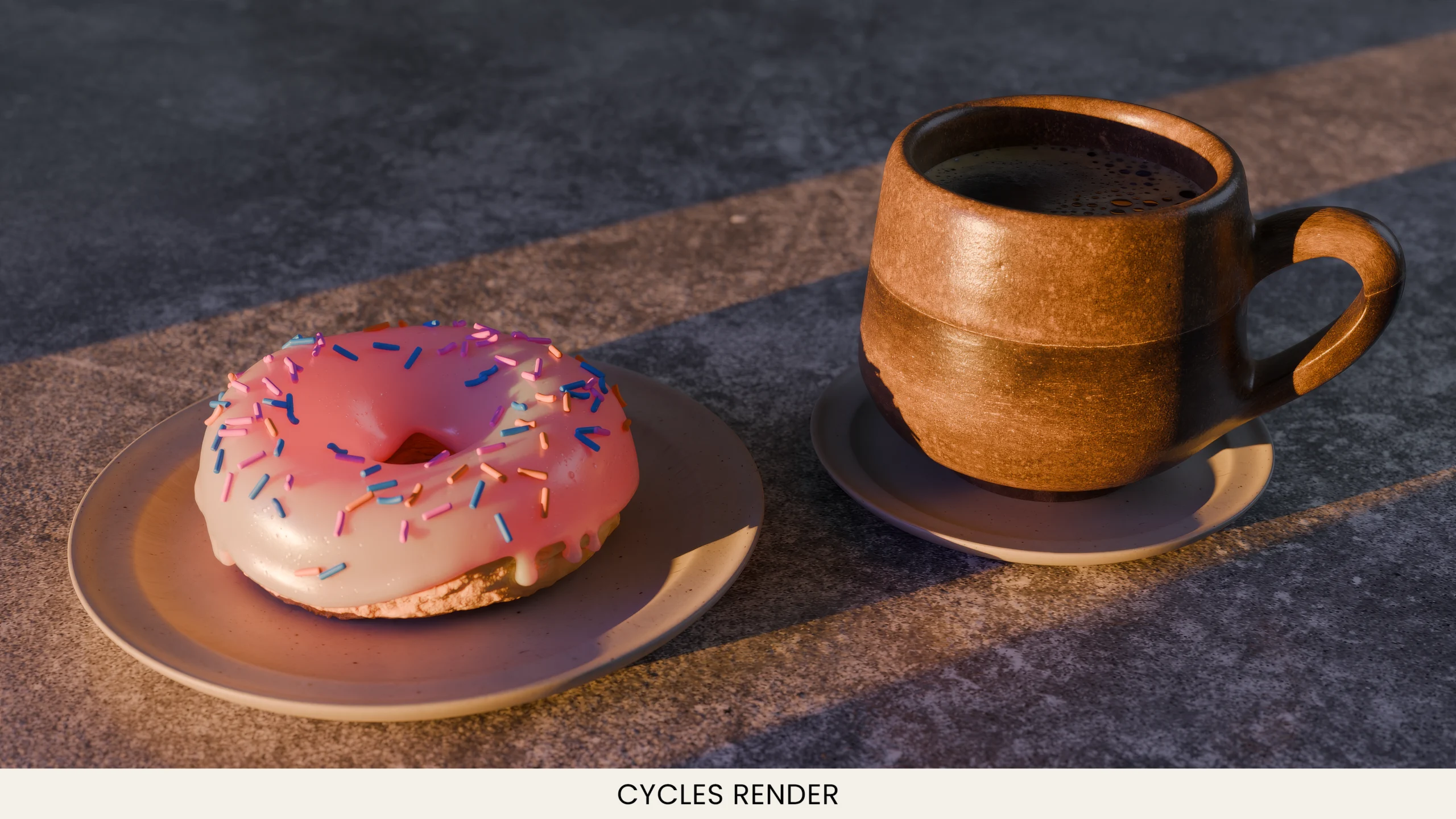
Cycles render
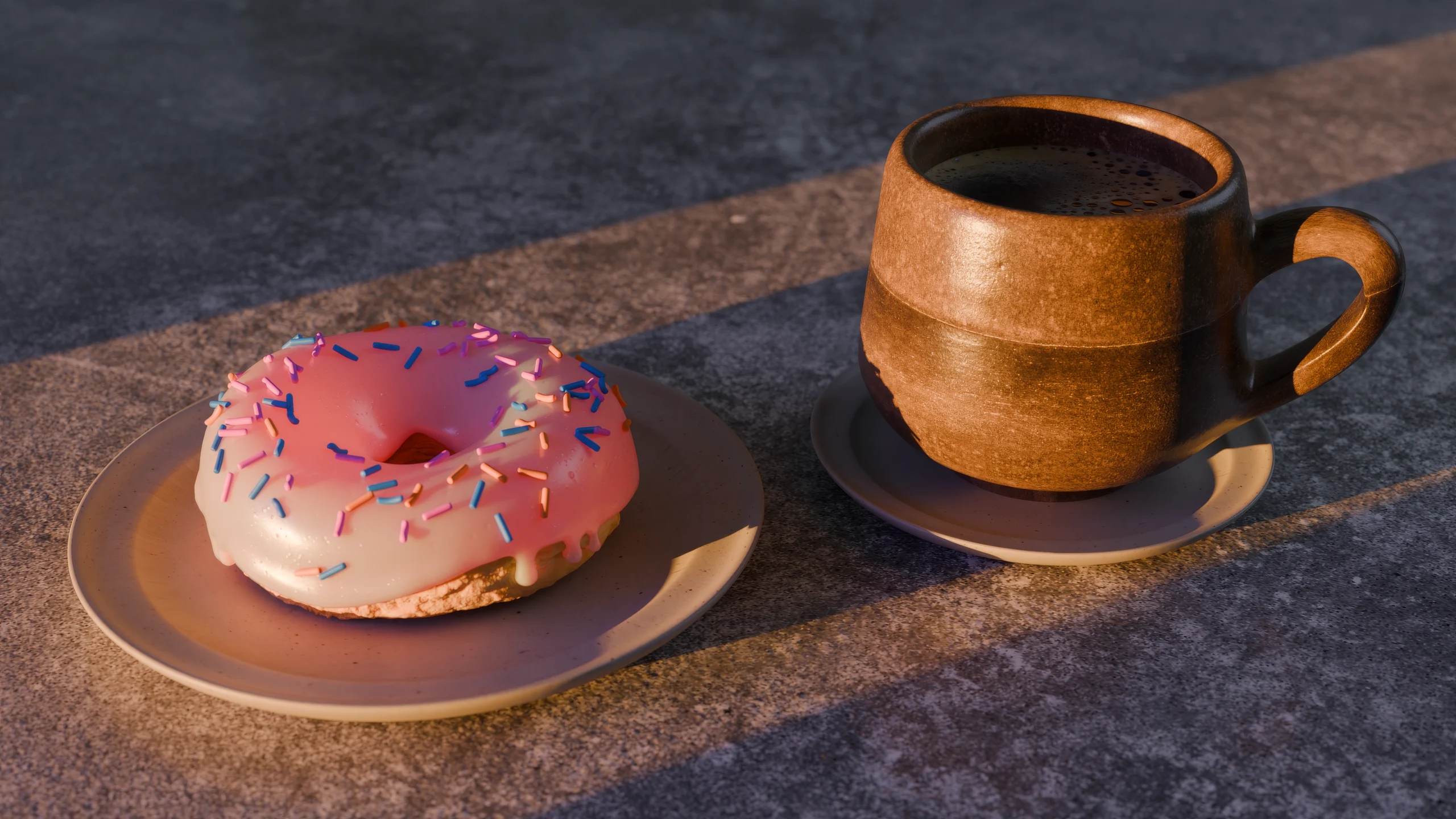
The final look was first built in Blender Cycles, with complete materials, textures and lighting. This render set the visual target and gave a controlled reference for testing how AI tools could reproduce, reinterpret and animate the scene.
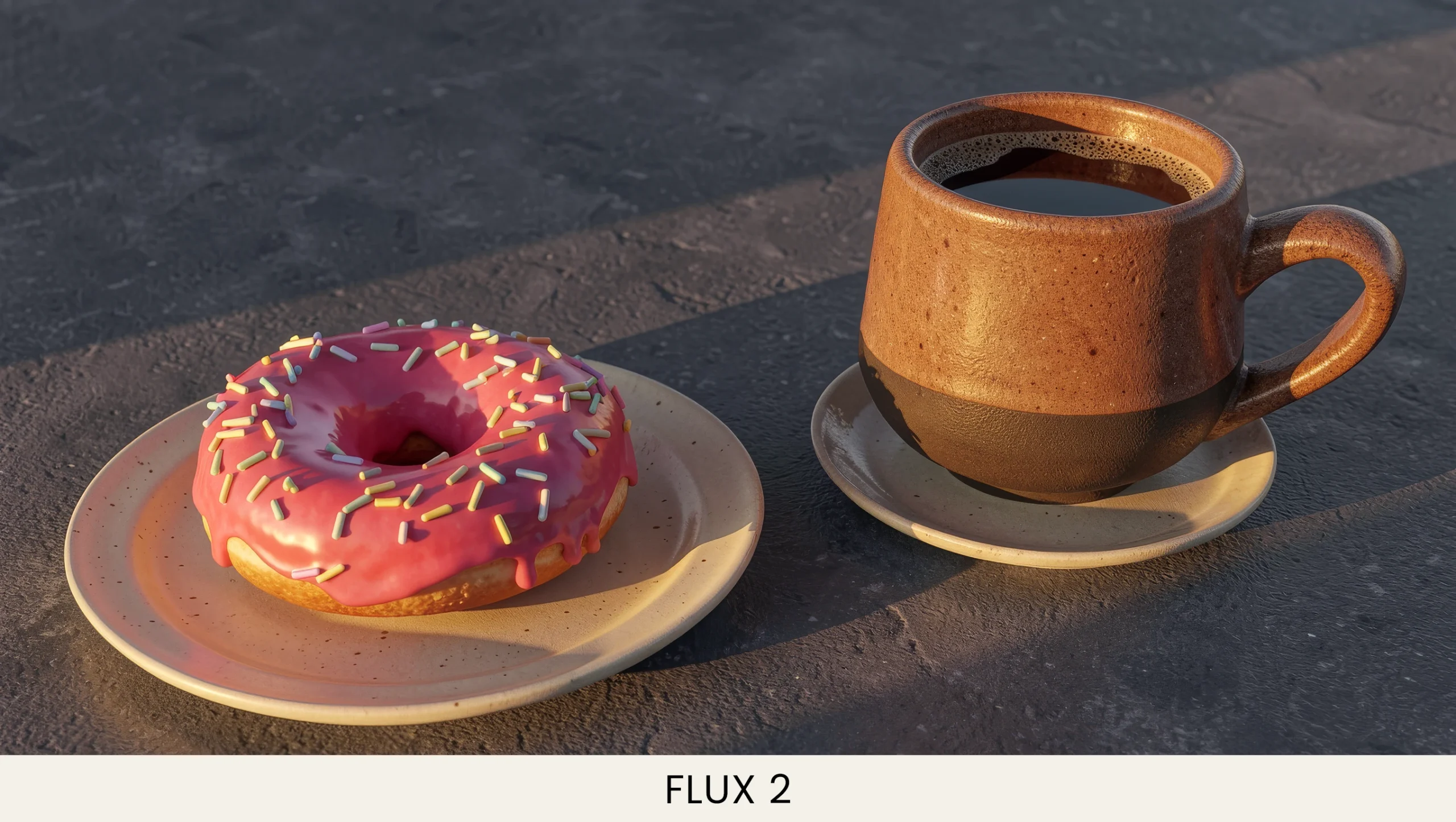
FLUX texture pass
FLUX turned the clay render into a fully textured image, generating materials, surface detail and color while keeping the camera, geometry and composition. The test measured how well AI can reinterpret an untextured 3D render without losing the structure set up in Blender.
“One scene, explored through different tools.”
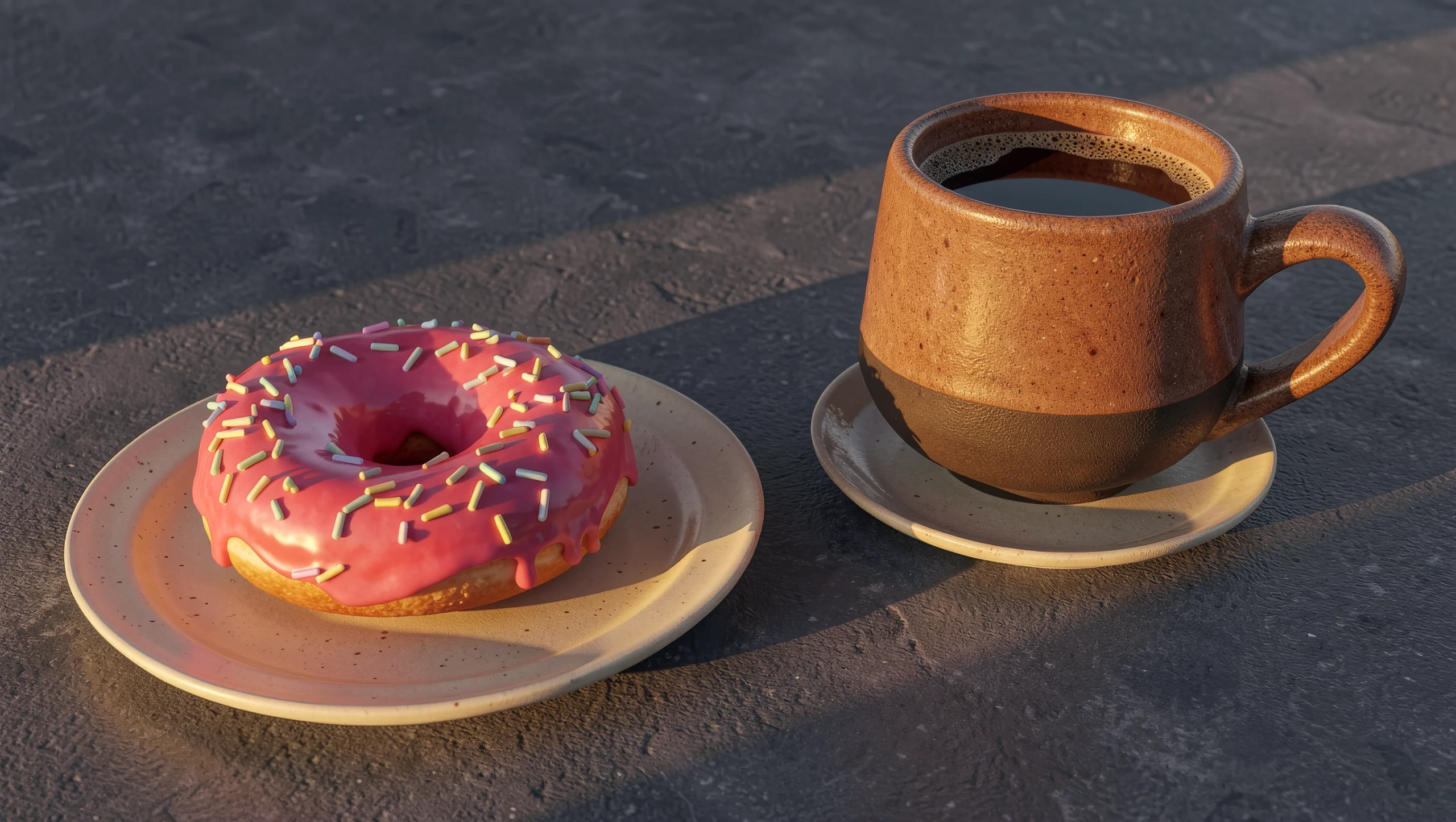
Animation
The final still became the input for an AI-assisted animation pass focused on camera movement, not on changing the scene. This stage explored how the image could be extended into motion while its materials, lighting and composition stayed coherent.